Posts

Showing posts with the label cooking

What Is This Gunk On My Bacon?

Image
  Is That Bacon Gunk Safe?   Hello there! Today I'll answer a question someone had about some curious gunk that appeared when frying up some back bacon. When you cook bacon, the water that is trapped within the meat begins to evaporate and escapes through the surface. Along with the water, some of the protein from the meat can also be released, forming a white gunky substance. This phenomenon is more common in cheaper, wet-cured bacon that has been processed with a brine containing nitrates, salt, and sugar, which is pressurized to speed up the curing process. This is in contrast to traditional dry-cured bacon, which is hung and cured for several days, resulting in a firmer and less watery product. While the appearance of the gunk may be off-putting, it is completely safe to eat and does not affect the flavor of the bacon. Some people choose to wipe it off with a paper towel before eating, but it's not necessary. In fact, some people enjoy the flavor and texture of the gunk an...
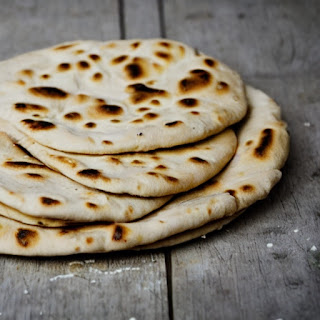
How Does Yogurt and Flour Make Flatbread?

Image
Well, hello there!  Today, we're going to talk about how to make flatbread using yogurt and flour.  Now, you might be wondering, how does that work? Well, let me tell you!  First of all, flatbread is not intended to rise like your typical bread, so we don't need yeast or baking powder. However, yogurt does add some lovely fat to the dough, which gives it a wonderful texture and taste. Plus, the yogurt is acidic, which helps to break down the gluten in the flour, much like a sourdough starter would. This also contributes to the softness of the bread.  So, to summarize, yogurt and flour work together to create a delicious, tender flatbread that is perfect for any meal, especially pizza! Flatbread Recipes Are Here! Frequently Asked Questions About Flatbread Flatbread can be made with just water and flour, but yogurt adds fat and flavor, resulting in a better taste and texture. Flatbread doesn't rise much, but there is usually some puffing caused by the water in the doug...

What is Mise En Place and Why is it so Important to Chefs?

Image
What is Mise En Place? Bonjour! If you’ve ever been caught off guard while cooking, you know it can be quite frustrating. Whether it's missing ingredients or cookware, it can lead to disaster. That's where mise en place comes in handy! This French term means "everything in its place" and is a crucial aspect of successful kitchens. The concept of "mise en place" was developed by Auguste Escoffier, who used his experience with military systems to develop a system of organization that helped streamline the kitchen workflow. While some chefs were skeptical at first, the benefits of mise en place soon became clear, and it has become a foundation of successful kitchens worldwide. To get started with mise en place, begin by carefully reading over your recipe to note all the necessary ingredients and cookware. Collect all the tools you'll need for prepping and assembling the final dish. It's always better to have multiples of each utensil, just in case. Next...

Is there a difference between white vinegar and cleaning vinegar?

Image
The short answer is "not much difference." Unless it's commercially produced. What is Cleaning Vinegar? Cleaning vinegar is typically just regular white vinegar with a higher percentage of acetic acid, usually around 10%. This makes it more potent and twice as strong in smell compared to regular vinegar. You can dilute cleaning vinegar by adding water to make it usable for cooking like regular vinegar. This is a convenient solution for people who want to save space and not have multiple bottles of vinegar at home. How to Dilute Cleaning Vinegar Diluting cleaning vinegar is as easy as adding water to it. Just mix it well to ensure that the vinegar is fully diluted before using it. The Warning Part Commercial cleaning vinegar may contain additives that are not suitable for human consumption. A farmer's market cleaning vinegar is most likely the concentrated cleaning vinegar you want, but a bottle off the shelf of national retailer is probably not a good choice for coo...

What is a knob of ginger?

Image
People like to say that "Garlic is measured with the heart, while ginger is measured with the thumb." Typically, a knob of ginger is around the size of a thumb up to the first knuckle, or a bit more depending on the size of the ginger or your taste. How to finely grate ginger and remove the skin? The best way to finely grate ginger is to use a microplane . The ginger will be transformed into a paste that will easily infuse the flavor into the meal you are creating. Freeze the ginger before grating to prevent the microplane  from clogging up. Keeping your ginger in a Ziploc bag in the freezer is great way to save time.  I mean, you're not going to be snacking on it raw, right? Peeling the ginger before putting in the freezer is unnecessary and can cause freezer burn. To remove the skin after freezing, lightly scrape the cut end with a knife. Or, you can also use a spoon to peel the frozen ginger before grating. Peeling the ginger is also unnecessary and can be left alone i...