Posts

Showing posts with the label texture

What Is This Gunk On My Bacon?

Image
  Is That Bacon Gunk Safe?   Hello there! Today I'll answer a question someone had about some curious gunk that appeared when frying up some back bacon. When you cook bacon, the water that is trapped within the meat begins to evaporate and escapes through the surface. Along with the water, some of the protein from the meat can also be released, forming a white gunky substance. This phenomenon is more common in cheaper, wet-cured bacon that has been processed with a brine containing nitrates, salt, and sugar, which is pressurized to speed up the curing process. This is in contrast to traditional dry-cured bacon, which is hung and cured for several days, resulting in a firmer and less watery product. While the appearance of the gunk may be off-putting, it is completely safe to eat and does not affect the flavor of the bacon. Some people choose to wipe it off with a paper towel before eating, but it's not necessary. In fact, some people enjoy the flavor and texture of the gunk an...
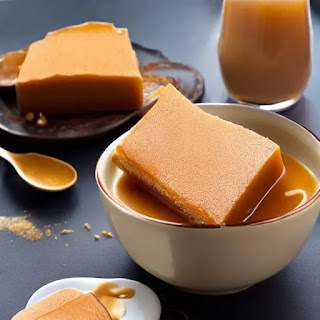
Why do some recipes heat the cream and sugar together while others heat sugar alone and add milk at the end?

Image
  Types of Caramels Let's talk about caramels, y'all!  Some recipes heat the cream and sugar together while others heat sugar alone and add milk at the end. Why is that, you ask? Dairy Caramel The two methods produce different types of caramel because they are based on different chemical reactions. The method of heating cream and sugar together creates what is called a dairy caramel. In this method, you are caramelizing the dairy solids in the cream rather than the sugar. The sugar in the recipe is primarily there for structure and bulk. As a result, you never actually get the sugar up to a high enough temperature to caramelize it fully. This type of caramel is usually softer and has a more buttery and mellow flavor. Sugar Caramel On the other hand, heating sugar alone to a high temperature creates what is known as a sugar caramel. In this method, you are caramelizing the sugar itself. Then, the dairy is added to thin out the caramelized sugar. This type of caramel is usually ...

How Does Yogurt and Flour Make Flatbread?

Image
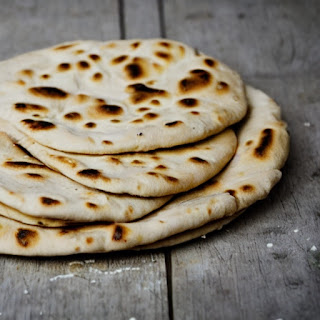
Well, hello there!  Today, we're going to talk about how to make flatbread using yogurt and flour.  Now, you might be wondering, how does that work? Well, let me tell you!  First of all, flatbread is not intended to rise like your typical bread, so we don't need yeast or baking powder. However, yogurt does add some lovely fat to the dough, which gives it a wonderful texture and taste. Plus, the yogurt is acidic, which helps to break down the gluten in the flour, much like a sourdough starter would. This also contributes to the softness of the bread.  So, to summarize, yogurt and flour work together to create a delicious, tender flatbread that is perfect for any meal, especially pizza! Flatbread Recipes Are Here! Frequently Asked Questions About Flatbread Flatbread can be made with just water and flour, but yogurt adds fat and flavor, resulting in a better taste and texture. Flatbread doesn't rise much, but there is usually some puffing caused by the water in the doug...